Consultancy Services
building energy performance
Our services use dynamic thermal simulation to determine expected building energy performance as a result of a sites microclimate, building design, services systems and space functions. These can be used to evaluate the cost-benefit of form; fabric & systems options, resilience to future climate change, occupant behaviour variations & occupant thermal comfort.
Our expertise enables simulations and design solutions to be evaluated for a range of geographical and regional construction & regulatory contexts.
We conduct building energy performance analysis of buildings in all climates and built environment contexts including the temperate coastal and inland regions of Northern Europe, United Kingdom & Republic of Ireland; the hot arid inland & coastal regions of the Arabian Peninsula, the Levant, Northern Africa & Sub-Saharan Africa, the colder extreme climates of Nordic regions, North & South America; and the tropical regions of South East Asia, Oceania & the Caribbean. In all regions, we can provide projections of how buildings perform or their extent of resilience to climate changes predicted for the next 10, 50 & 100 years. Similarly, for low carbon energy solutions, we can provide projections of lifetime financial performance including accounting for the social cost of carbon in feasibility studies for new or existing projects.
Your analysis is customised based on your project specifications & objectives and can be conducted for any building project from small residential buildings to large complex non-domestic multi-function buildings. We provide professional reports highlighting & detailing findings along with the developed simulation files; results and data visualisation.
computational fluid dynamics (cfd)
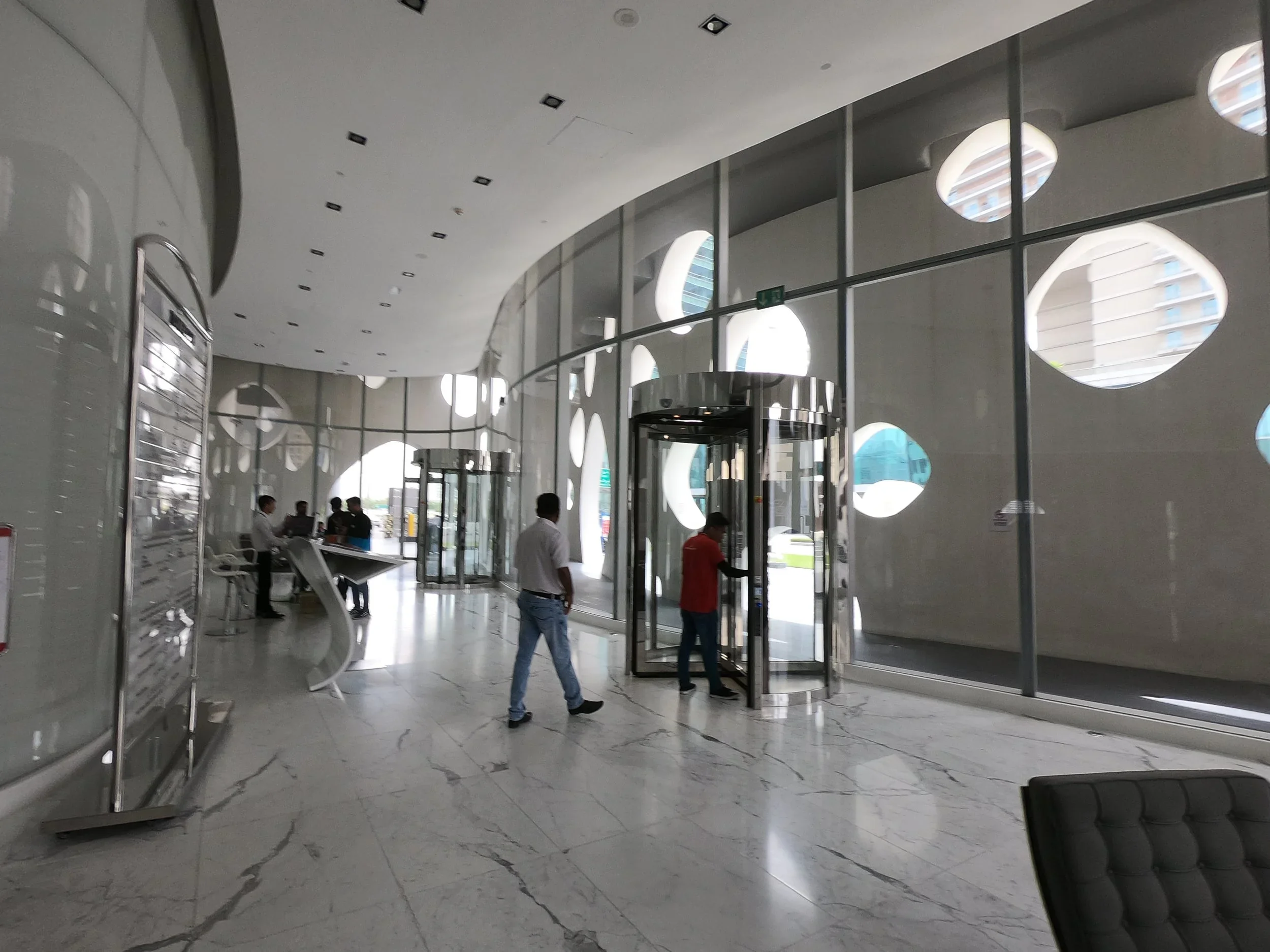
We provide cfd modelling to aid the design of robust natural, hybrid or mechanical ventilation strategies. These can be used to optimise the location, size & control of openings, fans and external forms to ensure robust effective designs that maximise indoor air quality and occupant thermal comfort.
This cfd service can provide static or dynamic visualisations of air movement in and around buildings combined with reporting of what the results mean in terms of your project objectives. This service can be used to evaluate impacts on outdoor comfort in urban areas of individual buildings or larger scale urban development strategies.
life cycle analysis
We provide life cycle analysis of designs and constructions to aid the minimisation of environmental impact and maximise the well being of occupants. We evaluate construction processes and materials to determine a buildings life cycle emissions and life cycle impacts.
bulk airflow modelling
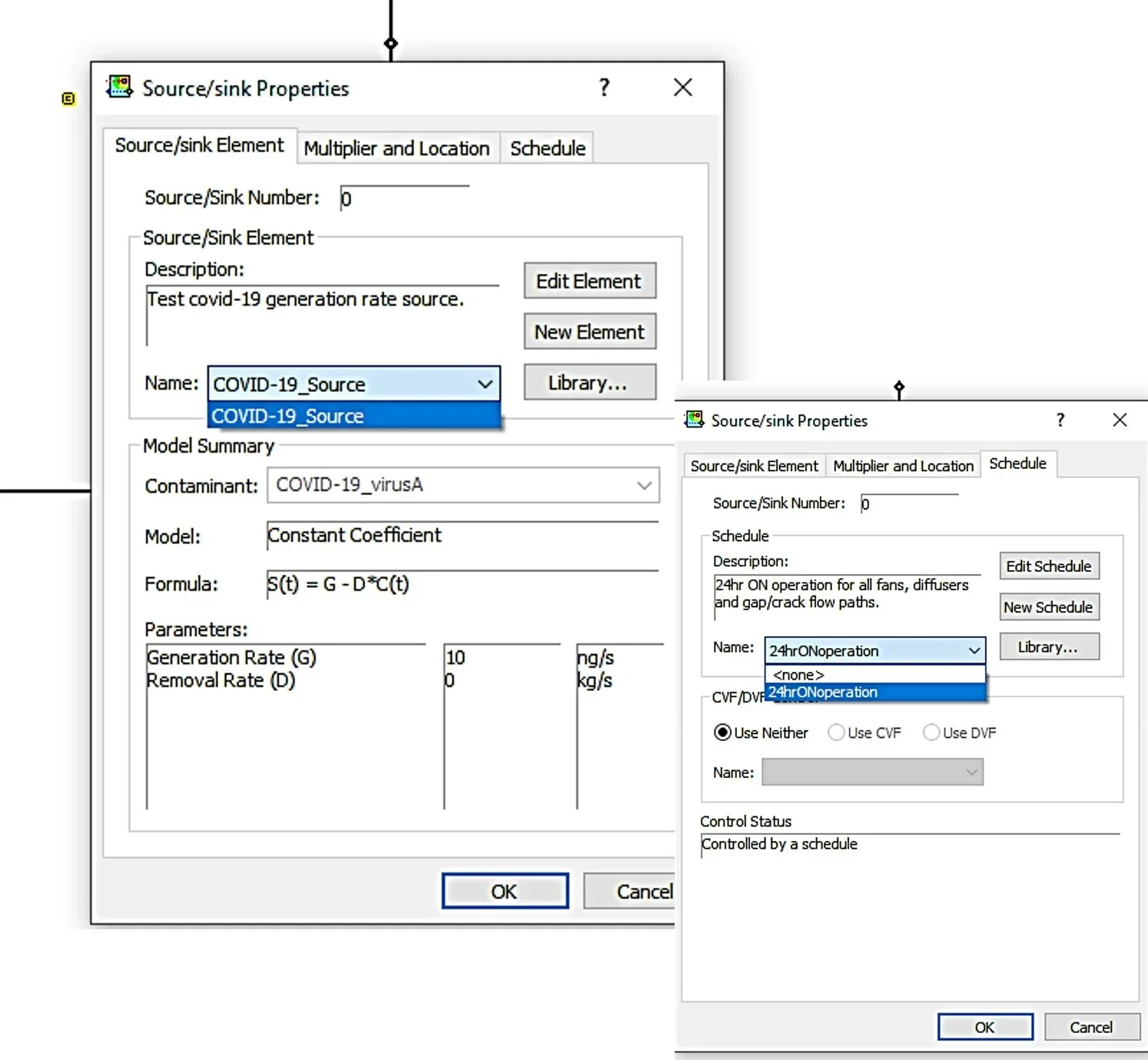
We provide bulk airflow modelling of indoor spaces to evaluate indoor air quality and optimise natural ventilation or air conditioning system control regimes. This modelling can be used to determine the risk of contaminant or virus spread between indoor spaces and spatial & temporal control of ventilation system components. Based on your design and expected usage patterns combined with your project objectives we report on rate of contaminant emissions and risk of dispersion from sources to other spaces within a building and the rate of airflow.
hygrothermal analysis
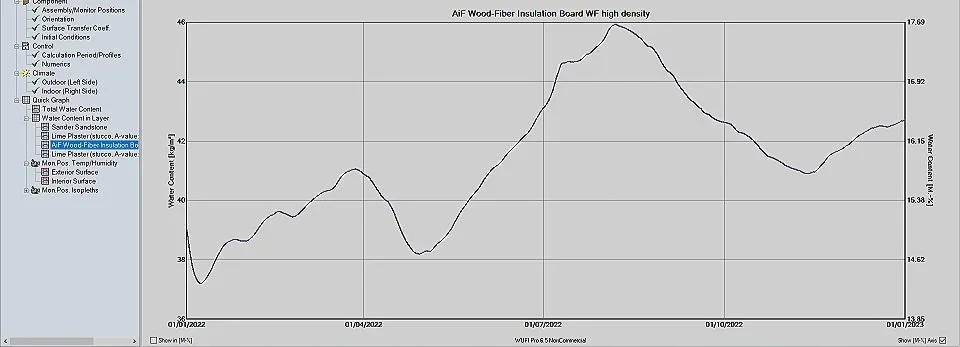
We provide detailed hygrothermal modelling to evaluate the implications of cold-bridging and wetting & drying cycles of building envelope compositions. These can also be used to investigate fabric degradations & failures and identify solutions. Based on your design and expected usage patterns we report on short, medium & long term moisture movement issues in walls, floors or roof constructions.
sunlight & daylight
We provide analysis of the impacts of your building(s) on the sunlight & daylight amenity of surrounding buildings. This can be used to ensure planning applications are not affected by having negative impacts in these areas. The modelling can also be used to optimise the daylighting performance of indoor spaces and eliminate glare being experienced by future occupants. We provide a report showing the sunlight & daylight implications of a design and options to reduce any negative impacts.
rating system compliance (pre-certification guidance)
We provide evaluation of designs in terms of meeting requirements of industry standard rating systems including BREEAM, LEED, Estidama PEARL Rating System, Green Star South Africa & TREES-NC Thailand.
We evaluate designs against the criteria of relevant rating systems identifying where compliance is likely not met and how this can be achieved under your project situation. Where thermal modelling is a component of the rating system relevant to your project we provide this modelling to identify any adjustments that may be valuable.
online courses - upskilling - microlearning
We provide bespoke and pre-designed online courses in a wide range of specialist and non-specialist sustainable built environment topics. We have a global outreach with discussion of implications and perspectives based on the different environmental, industrial, regulatory and economic contexts of most countries and climates around the world.
Topics include environmental design, building airtightness airtightness, lighting, HVAC, low carbon energy systems, life cycle assessment, electrical services, lighting, the climate challenge, maintenance management, building envelope hygrothermal performance and building performance modelling.
Some of our online courses are translated in multiple languages including native language slides & transcripts. All courses provide a Certificate of Completion & many include assessment to enable learners to evaluate the knowledge they have acquired.
We also design bespoke courses for upskilling needs on, general & specialist, topics in architectural firms, consultancies, government departments & higher education.
For more information and availability check out our online courses store or contact us with your upskilling or microlearning needs.